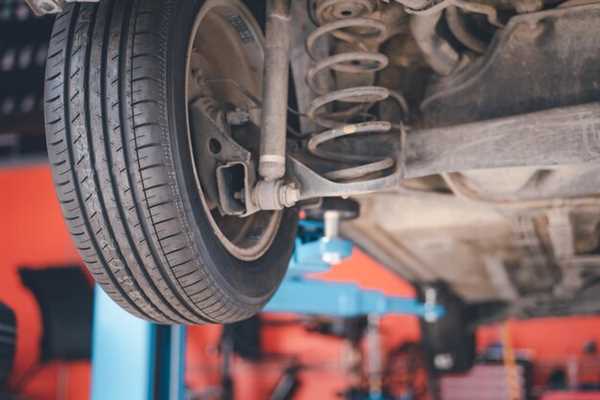
Why German engines focus on balance and precision

Prioritize meticulous craftsmanship and meticulous engineering principles to achieve superior performance in machinery. The foundation of this approach lies in a commitment to rigorous testing and refinement processes, ensuring that every component functions flawlessly. Accuracy in measurements and strict adherence to tolerances are paramount in this sphere.
Incorporate innovative technologies while maintaining traditional manufacturing techniques. The careful integration of advanced materials allows for weight reduction without compromising strength. Each part is meticulously crafted to fit seamlessly, enhancing dependability and longevity.
Conduct regular assessments and feedback loops during the production cycle. This iterative process guarantees the identification and rectification of potential issues early on. Engaging a skilled workforce with a focus on detail not only elevates the quality of production but also fosters a culture of continuous improvement.
By prioritizing these principles, one can successfully navigate the intricacies of mechanical creation, ensuring that every output resonates with a standard of excellence recognized globally.
Optimizing Engine Geometry for Enhanced Performance

Ensure that the combustion chamber shape promotes uniform airflow for improved fuel mixture efficiency. Utilize elliptical profiles to minimize turbulence and achieve smooth transitions throughout the intake and exhaust phases.
Consider employing variable valve timing systems. This technique allows adjustments to the valve lift and duration, enhancing the engine’s responsiveness across various RPM ranges.
Evaluate the position of the crankshaft and connecting rods. Aligning these components reduces friction losses and enhances power delivery. Achieving an optimal angle can increase torque and improve overall performance metrics.
- Use lightweight materials for connecting rods and pistons to reduce reciprocating mass.
- Incorporate a low-friction coating in critical wear areas to improve durability.
- Optimize the compression ratio to elevate thermal efficiency without causing knocking.
Conduct thorough simulations to predict performance variations based on geometric changes. Finite element analysis can reveal how different configurations affect stiffness and weight distribution, guiding precise alterations.
Keep a close eye on the intake manifold design. A plenum with appropriate volume and runner length ensures balanced airflow to all cylinders, enhancing engine response and power across the RPM spectrum.
Regularly refine the exhaust system layout. Ensure that it promotes efficient gas flow while minimizing backpressure, allowing for better scavenging of exhaust gases.
Implement continuous performance monitoring systems to gather real-time data. Analyzing metrics such as air-fuel ratio and combustion temperature can provide insights for further adjustments.
Finally, consider modular designs that facilitate rapid prototyping and iterative testing. This approach allows for swift adjustments based on empirical data, ensuring that every element serves its purpose in achieving optimal functionality.
Material Selection and Its Impact on Engine Precision
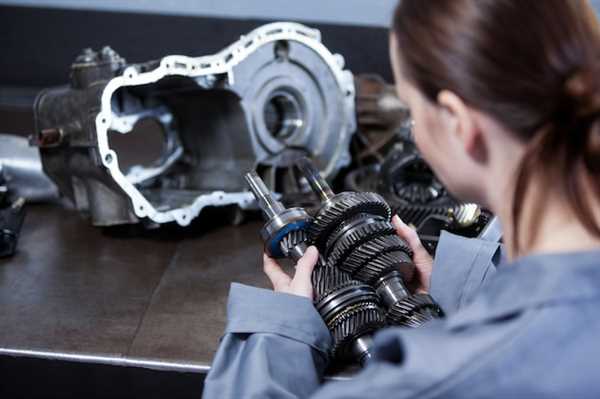
Choosing the right materials is critical for achieving superior accuracy in performance. For components subjected to high stress, use lightweight alloys such as aluminum-lithium, which reduce inertia without compromising structural integrity.
In high-temperature environments, ceramic matrix composites can withstand extreme conditions, enhancing reliability and reducing wear. This results in more consistent operation and lower maintenance costs.
Steel grades like 4340 or 8620 offer unmatched strength and fatigue resistance for crankshafts and connecting rods, ensuring they maintain tolerance under varying loads.
Implementing advanced coatings like DLC (Diamond-Like Carbon) extends the lifespan of friction surfaces, contributing to more stable friction characteristics, which significantly improves interaction between moving parts.
Consider thermoplastic composites for non-structural components. Their lightweight nature allows for intricate designs while maintaining dimensional accuracy, which is crucial for precise assemblies.
Regularly assess material properties against their application context. Opt for materials that provide optimal thermal conductivity for thermal management components, reducing heat buildup and enhancing overall consistency.
Testing and Calibration Methods in German Engine Engineering
Utilizing dynamometers for performance validation ensures accurate measurement of horsepower and torque across varying RPMs. Continuously calibrated testing equipment is vital for obtaining reliable results.
Data acquisition systems must capture real-time metrics, providing critical insight into fuel efficiency and emissions levels. Analyzing these parameters through advanced software allows for fine-tuning components to achieve desired output standards.
Vibration analysis plays a key role in identifying mechanical imbalances. Employing accelerometers facilitates the assessment of vibrational characteristics, enabling prompt adjustments to mitigate wear and enhance lifespan.
Thermal imaging is recommended for monitoring temperature distribution during operation. This method helps detect overheating issues that could lead to critical failures, contributing to longevity and reliability.
Regular maintenance of testing equipment ensures consistency in results. Calibration against known standards must occur routinely, preventing drift in measurement accuracy.
Post-test inspections involving detailed data interpretation aid in pinpointing areas for improvement. Documenting findings contributes to iterative advancements in future prototypes.