Suspension design principles used in German cars
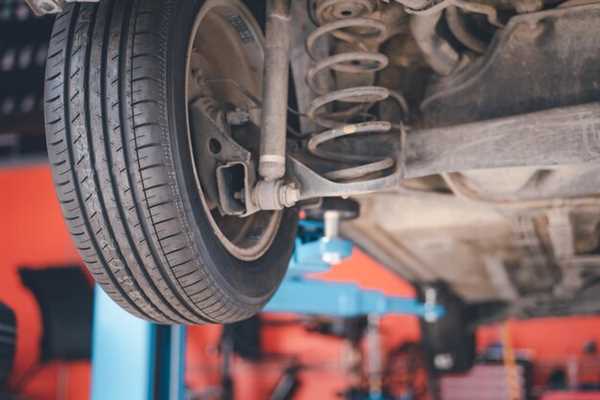
For optimal performance and ride quality in automobiles, focus on the geometry of the wheel control arms and the alignment of the suspension components. These elements are integral to maintaining tire contact with the road, reducing vibrations, and enhancing handling characteristics. A meticulous approach to positioning and angling can result in significant improvements in driving dynamics.
Attention to materials is equally paramount. Lightweight yet durable options, such as high-strength steel and aluminum alloys, contribute to overall vehicle weight reduction while ensuring longevity and rigidity. Combining these materials with advanced manufacturing techniques can yield components that withstand stress without compromising performance.
Incorporating adjustable settings allows for individual customization in driving preferences. Implementing features such as variable damping systems enables drivers to fine-tune their experience based on specific conditions, whether on smooth highways or uneven terrains. This adaptability showcases the sophistication of engineering in modern automobiles.
Maximizing Ride Quality with Multi-Link Suspension Systems

Implementing multi-link configurations significantly enhances comfort through optimized wheel control. This arrangement allows for individual wheel articulation, minimizing body roll during cornering.
Prioritize lightweight materials like aluminum for components to reduce unsprung mass. This choice improves responsiveness and reduces the effects of road imperfections.
Tuning the geometry is critical. Adjusting link angles and lengths helps in managing camber changes, maintaining tire contact with the road. Consider software simulations to assess various configurations before physical prototypes.
Invest in high-quality bushings to dampen vibrations and provide a quieter ride. Selecting the right durometer hardness can balance comfort and performance, catering to diverse driving environments.
Integrate advanced damping systems. Adaptive shock absorbers that adjust in real-time can provide a tailored driving experience, reacting to road conditions and driver inputs seamlessly.
Finally, regularly engage in testing on varied terrains. Collecting data helps refine the setup, ensuring optimal performance across different driving scenarios.
Precision Engineering: The Role of Materials in Suspension Performance

Investing in high-strength steel alloys significantly enhances the rigidity and durability of vehicle frameworks. Selecting advanced composites can lead to weight reduction without compromising safety, improving overall handling and fuel efficiency.
Utilizing aluminum for control arms and brackets offers excellent corrosion resistance, thus extending service life. This choice not only lightens the components but also maintains structural integrity under diverse conditions.
Incorporating engineered polymers for bushings improves vibration damping, providing a smoother ride and reducing noise transmission. This material also contributes to lower maintenance costs and increased lifespan of the surrounding elements.
Leveraging carbon fiber in upper mounts and certain links significantly boosts strength-to-weight ratio while enhancing responsiveness. Such a choice allows engineers to fine-tune vehicle dynamics during competition-level performance.
Ultimately, rigorous material testing under standardized conditions ensures reliability and safety. Implementing advanced manufacturing processes, such as precision forging and machining, further refines component performance, resulting in superior road behavior and driver experience.
Adjustment and Tuning: Customizing Suspension for Different Driving Conditions
For optimal performance across various terrains, focus on adjusting the damper settings. Increased damping can enhance stability on rough roads, while softer settings improve comfort on smooth surfaces.
Fine-tuning the ride height directly influences handling. Lowering the chassis can reduce body roll during cornering, making it ideal for sporty driving. Conversely, increasing ride height can provide better ground clearance for off-road scenarios.
Utilize adjustable anti-roll bars to fine-tune cornering behavior. A stiffer setting on these bars improves response and minimizes body lean, crucial for racing or spirited driving.
Spring rates should match your driving style and conditions. Heavier springs better accommodate performance driving, while lighter springs enhance comfort for daily commuting. Consider progressive springs, which offer a blend of both, adapting to varied driving situations.
Regularly inspect and modify alignment settings. A precise alignment can enhance tire wear and improve handling stability, particularly during aggressive driving.
Incorporate quality aftermarket components for more customization options, such as coilovers or adjustable bushings, which can further refine the setup according to personal preferences and driving habits.