Chassis tuning traits that define BMW handling
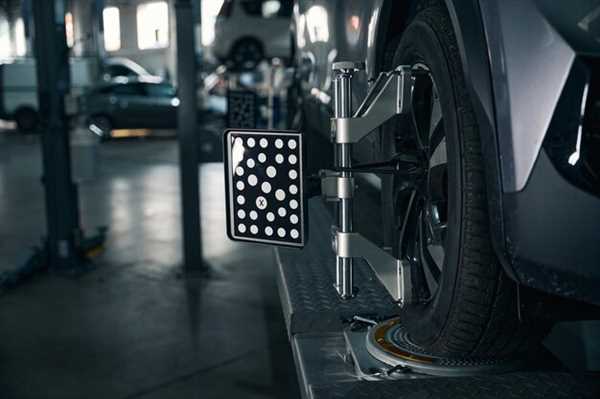
To enhance your BMW’s cornering prowess and overall road performance, consider adjusting the suspension geometry. Ensuring the proper camber and toe settings can significantly improve tire contact with the road surface, resulting in better grip during aggressive maneuvers.
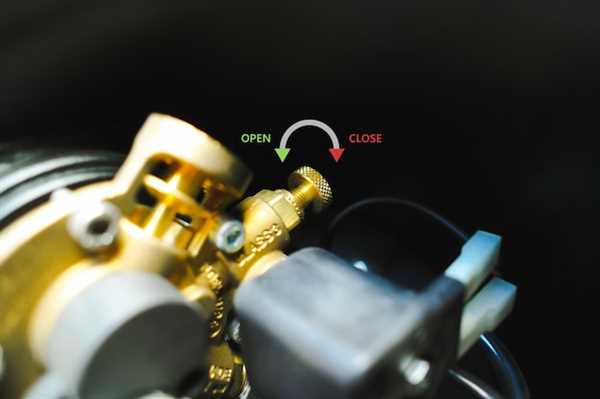
Another critical aspect is the dampers. Upgrading to adjustable shock absorbers allows for fine-tuning of stiffness and rebound settings, enabling you to tailor the ride characteristics to your preferences and driving conditions. This adjustment directly affects body roll and responsiveness, contributing to a more engaging driving experience.
Stiffening the anti-roll bars and selecting the right spring rates also play a notable role. A balanced approach ensures your vehicle reduces excessive body lean without sacrificing ride comfort. Always remember to keep weight distribution in mind; reducing unsprung weight can drastically influence handling and agility.
Optimizing Suspension Geometry for Enhanced Cornering Stability
Adjusting the caster angle to around +6 to +8 degrees substantially improves steering response and cornering grip. This modification enhances stability during high-speed maneuvers, reducing the tendency for oversteer.
Fine-tuning the camber angle is crucial; aim for -2 to -2.5 degrees for better tire contact while cornering. This adjustment helps maintain optimal grip on turns, especially when transitioning between acceleration and braking.
Modifying the track width can also influence balance. Increasing it by 10-20 mm aids in enhancing lateral stability and reduces body roll. A wider stance contributes to improved cornering performance, allowing for more aggressive driving.
Consider installing adjustable control arms for precise alignment settings. This enables customization of suspension geometry according to specific driving styles and conditions. Utilize these components to find the right balance between comfort and performance.
Pay attention to ride height adjustments. Lowering the car by 10-20 mm creates a lower center of gravity, enhancing responsiveness. However, ensure that adjustments are compatible with shock absorber settings to avoid compromising overall comfort.
Using performance bushings increases lateral rigidity, minimizing unwanted movement in suspension components. This modification results in sharper handling characteristics and more predictable responses during cornering.
Lastly, investing in quality sway bars can significantly reduce body roll. Stiffer bars can enhance cornering performance without sacrificing ride quality, making them an effective upgrade for spirited driving.
Choosing the Right Tires to Improve Grip and Response
Select performance tires that suit your driving style and conditions. Look for compounds that offer a balance between durability and grip. Soft compounds provide better traction but wear faster, while harder compounds last longer but may sacrifice grip.
Consider the tread pattern; directional treads enhance wet traction, while symmetrical patterns can improve stability. Asymmetric designs often blend the benefits of both, providing grip during cornering and straight-line performance.
Width is another factor. Wider tires increase contact area with the road, enhancing grip. However, this might affect steering response. A balance is needed. Select tires that align with your wheel width for optimal performance.
Check the load rating and speed index to match your requirements. Overstated capabilities may lead to compromised performance and safety. Ensure the chosen tires meet the vehicle’s specifications.
Lastly, evaluate tire pressure regularly. Maintaining the correct pressure is vital for maximizing performance. Underinflated tires can reduce responsiveness, while overinflation leads to a harsher ride and less grip.
Tuning Dampers for Better Ride Quality and Feedback
For optimal performance, focus on adjustable dampers that allow fine-tuning of compression and rebound settings. This adjustment directly influences the car’s response to road irregularities and enhances driver connection.
Start with a balanced setup, favoring a stiffer rebound rate to improve feedback during cornering while maintaining sufficient compression to absorb bumps. For daily driving, a softer setup can enhance comfort without sacrificing responsiveness.
Consider progressive damping curves that change the behavior based on suspension travel. This approach provides a firm yet comfortable ride, allowing for better control without excessive harshness.
Utilize telemetry data to assess how adjustments affect vehicle dynamics. Analyzing metrics such as body roll, pitch, and overall ride characteristics can guide you in making precise modifications for tailored performance.
Regularly inspect the condition of the dampers. Worn components can significantly detract from performance and feedback, making timely replacements crucial for sustained quality.
Lastly, driving style influences dampening preferences. If aggressive cornering is common, prioritize stiffer settings. Conversely, if comfort is the goal, lean towards softer adjustments. This personalized tuning leads to a more engaging and enjoyable driving experience.