Inline engine layouts and their BMW advantages
Choosing a straight configuration for power units is a strategic decision that enhances performance, durability, and driving dynamics in Bavarian automobiles. This arrangement not only optimizes weight distribution but also contributes to a lower center of gravity, promoting stability and control during maneuvers.
Such configurations allow for smoother power delivery and reduced vibrations, which significantly improve the overall driving experience. The design allows for easier maintenance and more straightforward assembly, which can lead to lower long-term costs for owners. Additionally, these powerplants are often engineered for impressive fuel efficiency, which appeals to environmentally conscious drivers.
Moreover, the compact nature of straight configurations grants more room under the hood, facilitating innovative features and technologies. This flexibility can lead to enhancements in aerodynamics and design aesthetics, further elevating the appeal of these models within the marketplace.
Improved Weight Distribution in BMW Models
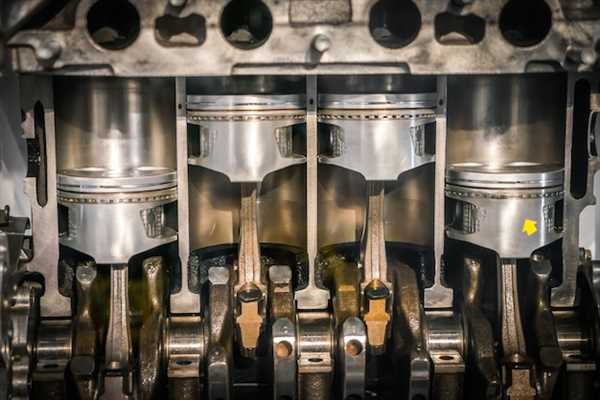
The placement of the motor in a straight configuration allows for a balanced distribution of mass, enhancing stability during maneuvers. This configuration is typically mounted low in the chassis, contributing to a lower center of gravity, which directly impacts handling performance.
With weight evenly spread across the length of the automobile, traction is optimized, especially during cornering. This characteristic provides drivers with better control and confidence at higher speeds. Models that utilize this technique often showcase remarkable agility in dynamic driving conditions.
Furthermore, aligning the drivetrain along the vehicle’s axis reduces the occurrence of understeer and oversteer, thus creating a more predictable driving experience. Manufacturers frequently test various arrangements, refining their designs to achieve the ideal balance that complements their performance criteria.
In summary, implementing this configuration significantly contributes to a more harmonious driving experience, enhancing both safety and pleasure behind the wheel.
Enhanced Performance and Fuel Efficiency of Inline Engines
The configuration of the powertrains in these cars optimizes combustion dynamics, facilitating smoother airflow and better fuel atomization. This design results in quicker throttle response and elevated torque delivery across a wide RPM range.
Dynamic balance achieved by the architecture reduces vibrations, promoting a more stable ride and increasing longevity of components. Each cylinder fires in a sequential order that minimizes rotational inertia, contributing to higher power output without compromising fuel economy.
The compact nature allows for lower weight, which enhances agility and poise in handling. This reduction in mass directly contributes to improved miles per gallon ratings, positioning the models as leaders in their category for environmental performance.
Engines of this style tend to have fewer moving parts than their alternatives, which simplifies maintenance and reduces the likelihood of mechanical failures, further helping owners save on upkeep costs.
Innovative technologies, such as variable valve timing and direct fuel injection, are commonly integrated, refining the combustion process and maximizing energy extraction from each drop of fuel. These advancements solidify the status of the powertrains in efficiency without sacrificing exhilaration.
Simplified Maintenance and Repairs for BMW Inline Engines

Regular servicing intervals for these powertrains facilitate easier access to components, allowing technicians to perform checks and replacements with minimal disruption. The arrangement of cylinders enhances visibility, enabling swift identification of issues.
Parts such as timing belts and water pumps are conveniently located, reducing labor time during replacements. This design often results in fewer specialty tools required compared to V-configured systems. Service manuals specifically designed for these configurations provide clear instructions that aid in efficient repairs.
Components like spark plugs and fuel injectors align conveniently, making routine tasks straightforward. Oil changes are less complicated due to a strategically placed drain plug, ensuring quicker fluid changes. This layout promotes a proactive approach to maintenance, ultimately leading to reduced downtime.
Diagnostic procedures benefit from the inherent simplicity of the arrangement, as fewer obstructions mean easier access to sensors and wiring. This allows for accurate troubleshooting and quicker resolutions.
In summary, the thoughtful design of these powertrains translates to shorter repair times and lower costs, with streamlined access to essential parts and clear service protocols to follow.