How driver assistance systems evolved in Germany

Consider integrating advanced features into your next automobile for a safer driving experience. Modern vehicles now offer an array of technologies designed to assist operators, making road travel more secure. The market in the German automotive sector has seen significant advancements, with manufacturers incorporating cutting-edge tools into their fleets.
From adaptive cruise control to lane-keeping technologies, the progression of these functionalities highlights their importance in reducing accidents and enhancing comfort. Car enthusiasts should monitor the latest releases, as every new model seems to offer more sophisticated tools that cater to the driver’s needs. Collaboration between manufacturers and technology firms has fueled innovations, transitioning traditional cars into smart vehicles equipped with intuitive solutions.
Drivers today benefit from a plethora of sensors and cameras that provide real-time data, ultimately minimizing the chances of mishaps. The integration of these types of technologies has proven essential for ensuring safety on the roads, while also paving the way for future developments in autonomous driving. Keeping abreast of these enhancements will enable prospective car buyers to make informed decisions tailored to their specific requirements.
Overview of Key Technologies in German Automobiles

Many German automobiles incorporate advanced features to enhance vehicle operation and safety. Key innovations include adaptive cruise control, which automatically adjusts speed to maintain a safe distance from the car ahead. This technology is prevalent in models from brands like Audi and BMW.
Another significant component is lane-keeping assistance, designed to prevent unintentional lane departures. This feature employs cameras and sensors to monitor road markings, providing alerts or subtle steering interventions. Volkswagen has effectively integrated this into its new releases.
Parking aids have transformed the parking experience. Sensors and cameras help drivers navigate tight spaces, with some models offering fully automated parking functions. Mercedes-Benz leads in this area with systems that allow the car to maneuver itself into parking spots.
Collision detection mechanisms further increase safety. Utilizing radar and camera systems, vehicles can detect obstacles and preemptively apply brakes if a collision is imminent. Many manufacturers, including Porsche, incorporate this technology as a standard feature.
Lastly, real-time traffic monitoring systems provide updates on traffic conditions, guiding drivers through less congested routes. This feature is commonly found in the navigation systems of many German vehicles, significantly improving driving ease and convenience.
Impact of Regulatory Standards on Driver Assistance Features
Compliance with specific regulations directly shapes the functionality of innovative features in German automobiles. Manufacturers must align their products with stringent European Union safety and environmental standards, driving advancements in technology integration.
For instance, the General Safety Regulation (GSR) mandates the inclusion of various safety enhancements in new vehicles. This law, effective from 2022, requires features such as advanced braking systems, lane-keeping technology, and collision warning capabilities. These requirements ensure that new German automobiles provide higher safety levels.
The European New Car Assessment Programme (Euro NCAP) rates vehicles based on their safety performance, encouraging manufacturers to develop cutting-edge features. High ratings influence consumer choice, pushing manufacturers to innovate and enhance their offerings further.
Regulatory bodies also push for transparency and data sharing, necessitating that automakers provide customers with essential information about vehicle technologies. This openness fosters consumer trust and supports informed purchasing decisions.
Future legislation is expected to continue evolving, focusing on environmental sustainability and automated driving technologies. As regulations become stricter regarding emissions and energy consumption, manufacturers are incentivized to develop more eco-friendly vehicles, integrating smart technologies that align with these goals.
Ultimately, aligning automotive technology with regulatory standards results in safer, more efficient German vehicles that meet consumer expectations and legal requirements simultaneously.
Future Trends in Driver Assistance Systems for German Vehicles
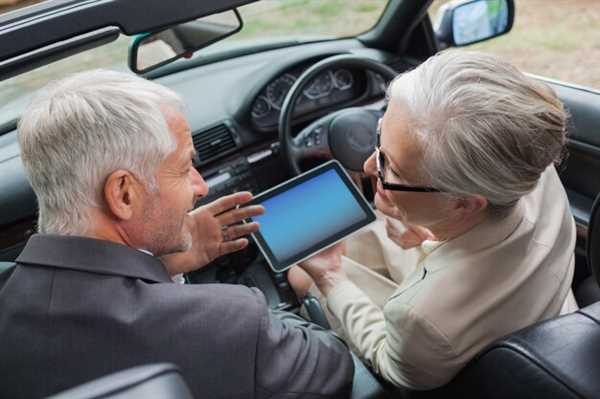
Invest in adaptive cruise control that enhances responsiveness to road conditions, mitigating potential hazards. Explore seamless vehicle-to-everything communication to improve interactions between cars and surrounding infrastructure. Prioritize the integration of artificial intelligence to enable predictive analytics for safer maneuvering in complex environments.
Focus on the development of advanced sensor technologies, such as Lidar and radar, to increase detection accuracy and ensure real-time data processing. Consider incorporating machine learning algorithms to continuously enhance system performance based on user behavior and traffic patterns.
Emphasize user experience by designing intuitive interfaces for feedback and control, making it easier for drivers to engage with various features. Investigate the possibility of biometrics for personalized settings and enhanced safety measures, adjusting functions according to individual driver profiles.
Support the implementation of collaborative platooning, allowing multiple vehicles to travel closely together, thus reducing energy consumption and improving road space utilization. Assess the role of augmented reality for providing navigational cues and hazard alerts directly in the driver’s field of vision.
Enhance pedestrian detection systems to ensure improved safety for vulnerable road users, while considering urban environments where such features are most critical. Strive for continuous updates through cloud connectivity, ensuring vehicles receive the latest software refinements and safety features.