Mechanical simplicity in older German vehicles
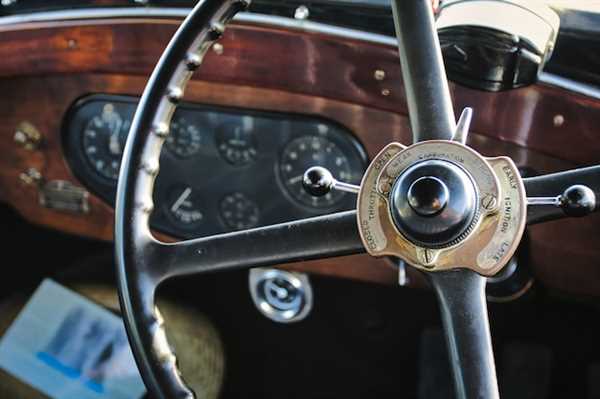
For those seeking a vehicle that combines functionality with reliability, look no further than the iconic offerings from Germany. Renowned for their straightforward construction, these models emphasize user-friendly design, ensuring that maintenance remains a hassle-free endeavor. The robustness of their components allows for easy access and repair, giving enthusiasts a chance to appreciate the craftsmanship involved.
Consider focusing on models known for their straightforward engineering, such as early iterations from renowned manufacturers. These vehicles often lack the complex electronics found in modern iterations, allowing owners to engage directly with their machinery. This approach not only simplifies routine upkeep but also fosters a genuine connection between driver and machine, forging lasting relationships that celebrate automotive history.
Explore models that champion reliability, as they offer unpretentious performance with minimal intervention. A thorough examination of components can reveal design choices aimed at longevity, with many parts accessible without specialized tools. This practicality fosters confidence among owners, inviting them to dive into hands-on experiences that celebrate the art of driving.
Design Features That Enhance Serviceability

Accessible component layout is key; arrange parts in a way that allows for quick removal and reinstallation. This minimizes downtime during repairs.
Standardized fasteners, such as bolts and screws, streamline maintenance. Utilize common sizes across different models to simplify the process for technicians.
Detailed service manuals should be readily available. Clear diagrams and step-by-step procedures assist in troubleshooting and repairs without the need for specialized knowledge.
- Engine components positioned for easy access.
- Cable routing avoids interference, facilitating easier adjustments.
- Modular designs allow for quick replacement of entire subassemblies.
Service intervals should be clearly marked, providing owners with a straightforward maintenance schedule that prolongs the life of the vehicle.
Consideration for parts availability in the design phase ensures that replacements remain accessible years after production, appealing to enthusiasts and collectors.
- Use of color-coded wiring for clarity during electrical repairs.
- Drain plugs located at the lowest points for efficient fluid changes.
- Accessible fuel filters to ease routine service checks.
Finally, employ a design philosophy prioritizing simplicity; a less complex assembly leads to reduced risk of errors during maintenance and repairs.
Common Engine Configurations and Their Maintenance Benefits

Choosing a straight-six engine configuration significantly eases maintenance tasks, thanks to its balanced design and fewer vibrations. This setup allows for easier access to components, thereby reducing the time spent on repairs and tune-ups.
A V8 arrangement, often found in powerful models, offers robust performance and smoother operation. Maintenance benefits include larger spaces between cylinders, which can facilitate easier inspections and replacements of individual components, resulting in streamlined service experiences.
Another common type, the flat-four engine, is appreciated for its lower center of gravity, enhancing vehicle stability. This design can simplify the process of accessing the oil filter and other vital parts, minimizing labor time during routine maintenance.
For enthusiasts looking at older models, the simplicity of inline-four engines cannot be overlooked. This configuration usually boasts fewer moving parts, leading to diminished failure rates and straightforward servicing procedures, making it an excellent choice for collectors.
The choice of engine configuration not only influences performance but also significantly impacts the ease of maintenance, ensuring that your vehicle remains reliable over the years while keeping service costs manageable.
Impact of Minimalistic Mechanical Systems on Performance
Opting for streamlined engineering allows for reduced weight, which directly enhances acceleration and braking efficiency. For instance, traditional vehicles designed with fewer components often exhibit improved reliability; fewer moving parts translate into less wear and tear.
The reduction of unnecessary complexity leads to more precise control during handling. This happens because vehicles with straightforward configurations can respond faster to driver inputs, fostering a more engaging driving experience. Consider models from renowned manufacturers where simplicity is paramount: they consistently achieve better steering feedback and tighter cornering.
In addition, optimizing powertrain architecture increases fuel efficiency. Engines that eliminate excess components minimize energy loss, translating into better miles per gallon and lower emissions. This is evident in certain vintage designs that prioritize robustness over embellishments, resulting in dependable daily exercises.
Investing in vehicles with less intricate systems often yields lower maintenance costs. Parts are easier to source and replace, facilitating smoother servicing routines. Owners benefit from a longer lifespan and sustained performance, reducing the need for frequent investments in repair.
Ultimately, choosing an automobile focused on straightforward mechanics delivers tangible advantages, highlighting the ideal blend of performance and practicality. The legacy of engineering excellence remains strong in such designs, proving that simplicity is not just a style but a philosophy yielding superior results.